Beyond Keywords: What Really Makes a Website SEO-Friendly?
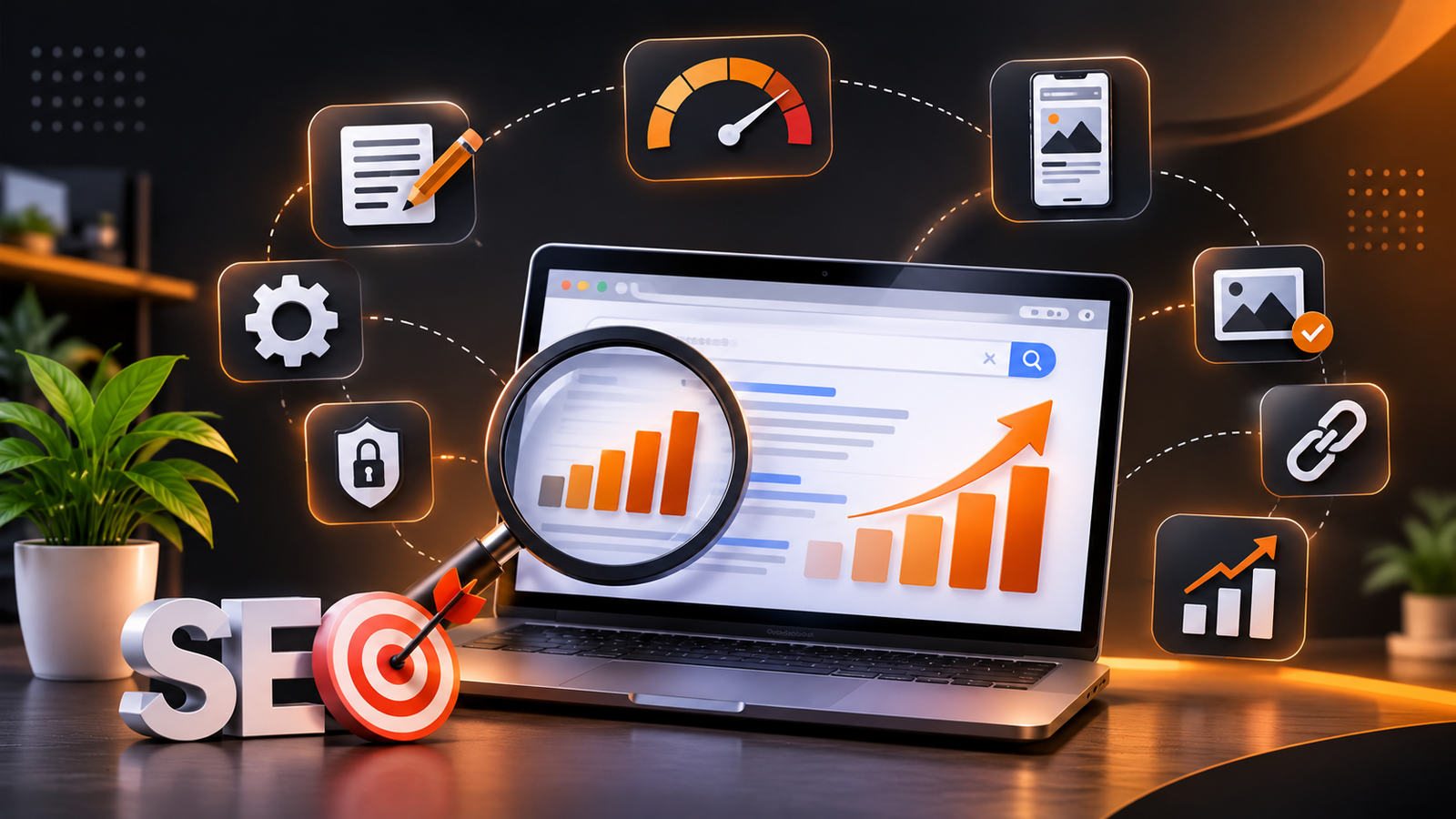
In today’s digital world, having a website is not enough to build a strong online presence. Businesses need websites that are easy to navigate, provide valuable information, and help users find what they are looking for. Search Engine Optimization (SEO) plays an important role in making this possible. While keywords help search engines understand website content, they are only one part of a successful SEO strategy. Factors such as content quality, website structure, mobile responsiveness, page speed, image optimization, and user experience also contribute to website performance. Understanding these elements helps businesses create websites that are not only search-engine-friendly but also useful and engaging for visitors. With the right digital marketing strategies, businesses can strengthen their online visibility and reach their target audience. Working with the Best Digital Marketer In Malappuram can also help businesses develop effective SEO strategies and build a stronger online presence.
1. Quality Content That Provides Real Value
Content is the foundation of a successful SEO strategy. Search engines aim to provide users with the most relevant and helpful information for their searches. This means a website should focus on creating content that genuinely answers questions, solves problems, and provides useful insights rather than simply trying to rank for specific keywords.
Good content should be original, informative, easy to understand, and relevant to the target audience. It should also be organized into clear sections with headings and paragraphs that make it easy to read.
For example, if a website offers digital marketing services, it could publish blogs explaining how SEO works, how social media helps businesses grow, why website optimization matters, or how businesses can improve their online presence.
Instead of repeating the same keyword multiple times, content should naturally cover the topic and include related information that readers may find useful. When visitors find meaningful information, they are more likely to explore other pages, learn about the business, and return to the website in the future.
The goal is not simply to create content for search engines, but to create content that people actually want to read.
2. Website Speed and Performance
Website speed and performance are essential factors in creating a successful and SEO-friendly website. In today’s fast-paced digital environment, users expect websites to load quickly and provide immediate access to information. A slow-loading website can frustrate visitors, create a poor first impression, and cause them to leave before exploring the content.
Website performance refers not only to how quickly a page loads but also to how smoothly it functions. A well-performing website should load its content efficiently, respond quickly to user interactions, and maintain a stable layout while browsing. These factors contribute to a better user experience and support overall SEO efforts.
Google considers page experience signals, including Core Web Vitals, when evaluating websites. Although speed alone does not guarantee higher rankings, a fast and well-performing website can help improve usability, accessibility, and visitor satisfaction.
Several factors can affect website speed, including large image files, excessive plugins, unnecessary scripts, poor hosting performance, unoptimized code, and too many animations or visual effects. These issues can increase loading time and make a website feel slow, especially on mobile devices.
To improve website speed and performance, website owners can:
Compress and optimize images before uploading them.
Use modern image formats such as WebP.
Reduce unnecessary plugins and scripts.
Choose reliable web hosting.
Enable caching to improve loading efficiency.
Minimize excessive animations and heavy design elements.
Optimize the website for mobile devices.
- Regularly test website performance using tools such as Google PageSpeed Insights.
A fast website makes browsing more comfortable, allows visitors to access information without delays, and creates a more professional impression. By focusing on website speed and performance, businesses can improve the overall user experience while building a stronger foundation for their SEO strategy.
3. Mobile-Friendly and Responsive Design
Mobile-friendly and responsive design is an essential part of creating an SEO-friendly website. With a large number of people accessing the internet through smartphones and tablets, websites must be designed to provide a smooth and consistent experience across different devices. A website that looks attractive on a desktop but is difficult to navigate on a mobile screen can lead to a poor user experience and lost opportunities.
Responsive web design allows a website to automatically adjust its layout, images, text, and other elements according to the screen size of the device being used. This ensures that visitors can access information comfortably without needing to zoom, scroll unnecessarily, or struggle with poorly positioned elements.
Mobile optimization involves more than simply reducing the size of a website. It requires thoughtful design choices that make the website easy to read, navigate, and interact with on smaller screens. Menus should be simple, buttons should be easy to tap, images should fit properly, and content should remain clearly organized.
Some important elements of a mobile-friendly website include:
Responsive layouts that adapt to different screen sizes.
Readable fonts and appropriate text spacing.
Easy-to-use navigation menus.
Properly sized buttons and clickable elements.
Images that adjust without affecting the layout.
Fast loading speeds on mobile networks.
- Consistent functionality across smartphones, tablets, and desktops.
Mobile responsiveness also plays an important role in SEO because Google primarily uses the mobile version of a website’s content for indexing and ranking. If important content is missing, difficult to access, or poorly displayed on mobile devices, it can affect how effectively search engines understand the website.
A responsive website improves accessibility, usability, and visitor satisfaction while ensuring that businesses can reach their audience regardless of the device they use. By prioritizing mobile-friendly design, website owners can create a more effective online experience and build a stronger foundation for long-term SEO success.
4. Clear Website Structure and Navigation
A clear website structure and navigation system are essential for creating an SEO-friendly website. The way pages are organized determines how easily visitors find information and how effectively search engines understand the relationship between different pages. A well-structured website creates a smooth browsing experience and helps users navigate without confusion.
Website structure refers to how content is arranged into pages, categories, and sections, while navigation includes menus, links, and other elements that guide visitors from one page to another.
An effective website structure should include:
Logical page hierarchy: Organize pages into clear categories.
Simple navigation menus: Make menus easy to understand and use.
Descriptive URLs: Use short, meaningful page links.
Proper heading structure: Organize content using H1, H2, and H3 headings.
Internal links: Connect related pages to improve navigation.
- Easy access: Ensure important pages are reachable without unnecessary steps.
A well-structured website is especially important for businesses looking to strengthen their online presence locally. For those searching for the Best Digital Marketer In Malappuram, an SEO-friendly website with clear navigation, organized services, and valuable content helps visitors understand the business and find the right solutions more easily. A strong website structure also supports local SEO efforts and helps businesses build visibility among their target audience.
5. Image Optimization
Images play an important role in making websites attractive, engaging, and visually informative. However, using large, unoptimized images can negatively affect website speed and performance.
Image optimization involves reducing file sizes while maintaining acceptable visual quality. It also includes using relevant image formats, descriptive filenames, and appropriate alternative text.
Some important image optimization practices include:
Compressing images before uploading them.
Choosing suitable formats such as WebP.
Using descriptive filenames instead of random numbers.
Adding relevant alt text to meaningful images.
Avoiding unnecessarily large image dimensions.
- Using lazy loading for images where appropriate.
Alt text helps explain the content of an image to users who cannot see it and can assist search engines in understanding relevant images. Image optimization therefore supports website performance, accessibility, and image search visibility.
6. Technical SEO and Search Engine Accessibility
Technical SEO focuses on improving the technical aspects of a website so search engines can access, crawl, understand, and index its pages effectively.
A website may have excellent content and an attractive design, but if important pages cannot be crawled or indexed properly, they may not appear in search results as expected.
Technical SEO includes several important elements:
HTTPS security: An SSL certificate helps protect the connection between the website and its visitors, creating a more secure browsing experience.
XML sitemap: A sitemap provides search engines with information about important website URLs and helps them discover pages.
Robots.txt: This file provides instructions to search engine crawlers about which parts of a website they can or cannot crawl.
Indexability: Important pages should be accessible and eligible for indexing, unless there is a specific reason to exclude them.
Broken links: Links leading to unavailable pages should be identified and corrected where possible.
Canonical tags: These help search engines identify the preferred version of a page when similar or duplicate URLs exist.
Technical SEO creates the foundation for a website’s visibility. It ensures that the content and pages businesses invest in can be discovered and understood by search engines.
7. User Experience (UX) and Website Design
User Experience (UX) and website design play an important role in creating an SEO-friendly website. A website should not only attract visitors but also make it easy for them to navigate, understand information, and interact with its content. A well-designed website creates a positive first impression and encourages visitors to explore further.
Good UX focuses on making the website simple, comfortable, and user-friendly. Elements such as layout, typography, colors, spacing, navigation, and button placement all influence how visitors experience a website. When information is clearly presented and important actions are easy to find, users can navigate without confusion.
An effective website design should include:
Clean layout: Avoid clutter and organize content neatly.
Readable typography: Use clear fonts, suitable sizes, and proper spacing.
Visual hierarchy: Highlight important information using headings and design elements.
Easy navigation: Make menus and links simple to understand.
Clear calls to action: Guide visitors towards actions such as contacting, booking, or enquiring.
- Consistent design: Maintain a uniform style across all website pages.
A poorly designed website with confusing layouts, excessive pop-ups, or difficult navigation can frustrate visitors and create a negative experience. On the other hand, a visually appealing and easy-to-use website helps build trust and makes information more accessible.
For businesses looking to improve their online presence, good website design is more than aesthetics. It combines functionality, accessibility, and usability to create a website that serves both the business and its audience. A positive user experience supports SEO by improving overall page experience and helping visitors interact with the website more effectively.
Good website design doesn’t just make a website look attractive—it makes every interaction effortless.
8. Internal Linking and Connected Content
Internal linking is the process of connecting one page of a website to another page within the same website. It helps visitors discover related information, explore more content, and navigate between pages easily. Internal links also help search engines discover website pages and understand how different topics are connected.
For example, a blog discussing SEO strategies could link to another article about keyword research, technical SEO, or content optimization. Similarly, a service page can link to related blogs or other services, creating a more connected website experience.
Effective internal linking should include:
Relevant links: Connect pages that are related in topic or purpose.
Descriptive anchor text: Use meaningful text that explains what the linked page is about.
Strategic placement: Add links naturally within relevant content.
- Important page connections: Link to key service pages, blogs, and other valuable content.
A well-planned internal linking structure helps visitors explore the website without having to search for information separately. It also allows search engines to discover pages more efficiently and understand their relevance within the website.
For businesses looking to improve their local online visibility, internal linking can also help connect visitors with relevant services and information. If you are searching for the Best Digital Marketer In Malappuram, a well-organized website with interconnected blogs, service pages, and useful content makes it easier to explore digital marketing solutions and understand how they can help your business grow online.
Internal links turn individual pages into a connected journey, helping visitors discover more while strengthening the website’s overall SEO structure.
9. Secure, Trustworthy, and Credible Information
Security and trust are important elements of an SEO-friendly website. Visitors are more likely to interact with a website when they feel it is safe, professional, and reliable. A trustworthy website not only protects users but also creates confidence in the business and its services.
Website security begins with using HTTPS, which encrypts the connection between the website and its visitors. It helps protect information exchanged through the website and provides a more secure browsing experience. Keeping plugins, themes, and website software updated also helps reduce security risks.
Credibility is equally important. A website should provide accurate information, clearly explain its services, and avoid misleading claims. Professional design, genuine testimonials, clear contact details, and updated content can help establish trust among visitors.
Some important elements of a trustworthy website include:
HTTPS security: Protect visitor information through a secure connection.
Accurate content: Provide reliable and up-to-date information.
Clear contact details: Make it easy for visitors to reach the business.
Genuine reviews and testimonials: Build confidence through authentic customer experiences.
Professional design: Maintain a consistent and credible appearance.
- Regular maintenance: Keep website content, software, and links updated.
A secure and credible website creates a positive impression and encourages visitors to engage with the business. While security and trust alone do not guarantee higher rankings, they contribute to a better website experience and support long-term SEO efforts.
A trustworthy website doesn’t just attract visitors—it gives them confidence to stay, explore, and connect.
10. Regular Updates and Website Maintenance
Regular website updates and maintenance are essential for keeping a website relevant, functional, and SEO-friendly. SEO is not a one-time process; it requires continuous monitoring, improvements, and adjustments to keep up with changing search trends, user expectations, and website performance.
Over time, website content may become outdated, links may stop working, plugins may require updates, and performance issues may arise. Regular maintenance helps identify and fix these problems before they negatively affect the user experience.
Website maintenance involves several important activities:
Updating content: Refresh outdated information and keep blogs relevant.
Fixing broken links: Ensure visitors can access pages without errors.
Monitoring performance: Regularly check website speed and Core Web Vitals.
Updating plugins and themes: Maintain security, compatibility, and functionality.
Reviewing SEO performance: Monitor traffic, rankings, clicks, and impressions.
- Improving existing pages: Update content, images, and structure based on performance.
Regular updates also allow businesses to adapt their websites to new opportunities, changing customer needs, and evolving SEO practices. By consistently maintaining and improving a website, businesses can provide a better browsing experience, keep their information accurate, and build a stronger foundation for long-term online visibility.
An optimized website isn’t built once and forgotten—it grows, improves, and evolves with time.
An SEO-friendly website is built through a combination of quality content, technical performance, mobile responsiveness, clear website structure, image optimization, security, and a positive user experience. Each of these elements plays an important role in making a website easier to discover, understand, navigate, and use. Rather than focusing on just one aspect of SEO, businesses need to consider the overall quality and performance of their website.
Keywords remain an important part of SEO, but they are only one piece of the bigger picture. A website that focuses only on keywords without considering its loading speed, accessibility, content quality, navigation, and mobile experience may fail to meet the expectations of its visitors. Search engine optimization is about creating a balance between helping search engines understand your content and providing users with valuable information.
A well-optimized website should continuously evolve through regular updates, performance improvements, content optimization, and a better understanding of user needs. These efforts help businesses maintain their online presence, improve website usability, and create meaningful connections with their target audience.
For businesses aiming to strengthen their online presence, having a well-optimized website is an essential part of digital growth. If you are searching for the best digital marketer in Malappuram, focusing on website SEO, quality content, user experience, and technical performance can help your business build stronger online visibility, reach the right audience, and attract potential customers. A website that combines these elements effectively creates a solid foundation for long-term digital success.
A truly SEO-friendly website doesn’t just rank in search results—it delivers value, builds trust, and creates a meaningful experience from the moment a visitor lands on it.